 Free shipping over $75 CAD


How Maple Syrup is Produced
1. Tree Selection and Tapping
The production of maple syrup begins with the selection of sugar maple trees (Acer saccharum), which are known for their high sugar content. Trees typically need to be about 40 years old and at least 10 inches in diameter to be tapped.
Tapping Process
- Drilling: A small hole, about 2 inches deep, is drilled into the tree.
- Spile Insertion: A spile (a tap) is then inserted into the hole. This allows the sap to flow out.
- Collection: The sap can be collected in buckets hung from the spile or through tubing systems that transport the sap to a central collection area.
2. Sap Collection
Sap is collected during the sugaring season, which typically occurs in early spring when temperatures fluctuate between freezing at night and thawing during the day. This temperature change is crucial as it creates pressure inside the tree, causing the sap to flow.
3. Sap Transport
Collected sap is transported to the sugarhouse, also known as a sugar shack or sap house, where it will be processed. In modern operations, vacuum systems and tubing networks are often used to transport sap efficiently.
4. Evaporation
The sap is about 98% water and 2% sugar. To make syrup, most of the water needs to be evaporated, concentrating the sugars.
Boiling Process
- Initial Boiling: The sap is boiled in large, shallow evaporator pans, which are often wood-fired or oil-fired. The large surface area allows water to evaporate quickly.
- Reverse Osmosis: Some producers use reverse osmosis machines to remove a significant amount of water before boiling, making the process more efficient.
- Final Boiling: The sap is boiled down until it reaches about 66% sugar content, transforming into syrup. This stage requires careful monitoring to avoid burning and to achieve the right consistency.
5. Filtering
Once the sap reaches the desired sugar concentration, it is filtered to remove any impurities, such as sugar sand (niter), which can form during boiling.
6. Grading and Packaging
Maple syrup is then graded based on its color and flavor. In Canada, the grades include:
- Golden, Delicate Taste
- Amber, Rich Taste
- Dark, Robust Taste
- Very Dark, Strong Taste
The syrup is finally packaged in sterilized containers to ensure it remains fresh and uncontaminated.
7. Quality Control
Producers often conduct various quality control measures, including taste testing and density checking, to ensure the syrup meets industry standards and consumer expectations.
Conclusion
The production of maple syrup is a time-honored process that combines traditional methods with modern technology to create a delicious, natural sweetener. The unique climate and forests of Ontario provide ideal conditions for maple syrup production, making Oneroot Maple Syrup renowned for its quality and flavor.

What is Creamed Honey?
What is Creamed Honey?
Definition
Creamed honey, also known as whipped honey, spun honey, or churned honey, is a form of honey that has been processed to control crystallization. Unlike regular honey, which can become grainy and hard as it crystallizes, creamed honey has a smooth, spreadable consistency.
Characteristics
- Texture: Smooth and creamy, similar to butter or a thick spread.
- Appearance: Opaque and lighter in color compared to liquid honey.
- Taste: Maintains the flavor of the original honey but offers a different mouthfeel.
How is Creamed Honey Usually Made?
Process Overview
The production of creamed honey involves a process called controlled crystallization. Here’s a step-by-step breakdown:
- Selection of Seed Honey: A small amount of finely crystallized honey is chosen as the "seed" to initiate the process. This honey has tiny, smooth crystals which serve as a template.
- Preparation of Base Honey:
- Heating: The raw honey is gently heated to about 140°F (60°C) to dissolve any existing large crystals.
- Cooling: The heated honey is then rapidly cooled to 57°F (14°C) to prepare it for seeding.
- Mixing: The seed honey is thoroughly mixed with the prepared base honey. This mixture is crucial as it determines the size and uniformity of the crystals.
- Storage: The mixed honey is stored at a constant cool temperature, around 57°F (14°C), for about a week. During this time, the small crystals from the seed honey proliferate throughout the entire batch, leading to a smooth, creamy texture.
- Packaging: Once the honey has reached the desired consistency, it is packaged in jars and is ready for consumption.
How is Oneroot's Creamed Honey Made?
Unlike the common method, we do not use seed honey or heating to achieve the creamy texture. Instead, we churn the raw honey at a specific low temperature, which encourages crystallization. The churning helps crystals to spread evenly. The churning speed is about 1 rotation per second.
- Particulate matters, i.e. pollen, wax, etc, help crystals to form faster.
- Because we don't use heat, all of the honey's healthful properties are retained.
- Slow churning speed ensures minimal disturbance.
Benefits of Creamed Honey
- Spreadability: Easier to spread on bread or toast without dripping.
- Stability: Retains its creamy texture without further crystallizing.
- Flavor: Preserves the natural flavor of honey while offering a unique texture experience.
Uses
- Spread: Perfect for spreading on toast, bagels, or pancakes.
- Cooking: Can be used in baking and cooking as a sweetener.
- Health: Offers the same health benefits as raw honey, including antibacterial properties and antioxidants.
Conclusion
Creamed honey is a delightful variation of traditional honey, providing a smooth and spreadable alternative. Its production involves a meticulous process of controlled crystallization, ensuring a consistent and creamy texture that enhances its usability and enjoyment.

The Science Behind Honey: Unraveling Its Healing Power for Coughs and Sore Throats
We've all had coughs and sore throats, making our days tough and leaving us looking for help.
But amidst all the store-bought options, a natural golden remedy has been soothing these problems for ages - raw honey.In this blog, we'll explore the incredible healing power of raw Honey and its role as a natural remedy for coughs and sore throats. Let's dive in and discover the science and benefits of this sweet solution that has been cherished for generations.
The Science Behind Honey: What Makes It So Special?
Raw Honey isn't just a delicious sweetener; it's a complex and remarkable substance. Bees create this magical elixir by collecting nectar from flowers, then transforming it into Honey.
What sets raw Honey apart from its processed counterpart?
It remains unheated, unpasteurized, and unfiltered, preserving its natural enzymes, antioxidants, and nutrients.
Antimicrobial properties found in raw Honey make it an effective combatant against bacteria, viruses, and fungi.
This is why it has been used for wound healing throughout history. Additionally, its rich antioxidant content helps neutralize harmful free radicals. It supports our overall health and immune system.
The Power of Raw Honey in Soothing Coughs and Sore Throats
Raw honey's soothing properties shine through when it comes to coughs and sore throats. The thick, dense texture coats the throat, easing irritation and reducing the urge to cough.
The antimicrobial effects also play a role in fighting off the pathogens responsible for these discomforts.
Studies have shown that raw Honey can be as effective as over-the-counter cough suppressants in relief. Not to mention, it's a natural alternative free from artificial additives and potential side effects.
So, the next time you're battling a cough or a sore throat, reach for a spoonful of raw Honey for sweet relief.
Comparing Raw Honey with Over-the-Counter Solutions
Both raw Honey and over-the-counter cough medicines offer relief, yet, there are distinct differences between them.
- Cough medicines often contain synthetic ingredients. These include dextromethorphan, which can cause drowsiness and other adverse effects.
- Raw Honey is a natural solution without any harmful additives. Raw Honey has amazing additional benefits, such as its antioxidant and antimicrobial properties. These contribute to supporting the immune system and overall health.
It not only eases the immediate symptoms but also aids the body's healing process.
How to Use Raw Honey as a Natural Remedy
Incorporating raw Honey into your cough and sore throat relief routine is simple.
You can consume it directly, mix it with warm water or herbal tea, or add it to lemon juice for an extra soothing elixir. Ensure that the Honey you're using is raw and unpasteurized to preserve its beneficial properties.
Remember, raw Honey should not be given to infants under one year of age due to the risk of botulism.
For children over one year and adults, it's a delicious and effective natural remedy to keep on hand.
Embrace Honey as a Go-To Solution for Coughs and Sore Throats
Raw Honey is a natural, effective, and delightful cure for coughs and sore throats in a world full of artificial remedies. Its healing power, backed by science, makes it a golden elixir worth keeping in your pantry.
So, the next time you find yourself battling a pesky cough or a sore throat, reach for the sweet relief of raw Honey and experience its wonders firsthand.
Get yours at Oneroot Honey.
With nature's goodness on your side, you can bid farewell to discomfort and embrace the soothing embrace of raw Honey.

Looking for The Best Canadian Honey? Find out more!
Humans have enjoyed honey as a delightful natural sweetener for thousands of years.
With its distinct flavours, textures, and nutritional benefits, honey holds a special place in the hearts of food lovers worldwide. With its diverse landscapes and abundant floral resources, Canada produces some of the finest honey. Canada is the world's fifth-largest honey producer, with an annual production of around 80,000 to 100,000 metric tonnes. It boasts a wide variety of options that are both delicious and nutritious.
In this blog post, we will explore where to buy the best Canadian honey and what to look for when making your selection.
Local Farmers' Markets
Local farmers' markets are among the best places to find high-quality Canadian honey.
These markets are a hub for small-scale beekeepers who passionately produce honey using traditional methods. By purchasing honey from farmers' markets, you can directly support local beekeepers and ensure the freshness and authenticity of the product.
Many beekeepers are happy to share their knowledge and stories, making your honey-buying experience even more memorable.
Specialty Stores
Specialty food stores are another great option for finding a wide selection of Canadian honey.
These stores often carry a variety of honey types, such as wildflower honey, clover honey, buckwheat honey, and more.
Look for stores prioritizing sourcing from local beekeepers and offering a range of honey options. The knowledgeable staff can guide you through different flavours and pairings, helping you discover your preferences.
Online Honey Retailers
In today's digital age, the internet has made it easier than ever to access a wide range of products, including Oneroot Honey.
Online honey retailers allow you to explore a vast selection of Canadian honey from the comfort of your home. When choosing an online retailer, ensure they have a good reputation and prioritize quality.
Look for detailed descriptions, customer reviews, and information about the beekeepers they work with. Some online retailers may even offer honey subscription services, delivering a curated selection of honey straight to your doorstep.
What to Look For Buying the Best Canadian Honey
When buying Canadian honey, there are several factors to consider to ensure you are getting the best product:
Source and Transparency
Look for honey sourced from reputable Canadian beekeepers who prioritize ethical and sustainable practices. Transparent labeling and traceability information are essential indicators of a trustworthy brand.
Floral Source
The specific flora influences each honey variety in Canada, where the bees forage. Consider the floral source of the honey, as it will affect its taste, aroma, and colour. Exploring different floral sources, from delicate wildflower notes to robust buckwheat undertones, can be exciting.
Raw and Unprocessed
Opt for raw and unprocessed honey whenever possible. Raw honey is not heated or filtered excessively, which helps preserve its natural enzymes, antioxidants, and flavours. Fine sediments and a tendency to crystallize over time are signs of raw honey.
Quality Certifications
Look for honey that has been tested and certified for quality and purity. Certifications like Canada Organic or the True Source Honey certification program ensure that the honey has met certain standards and is free from adulteration.
Look to OneRoot for the Best Canadian Honey
Exploring the world of Canadian honey can be a delightful and rewarding experience. Whether you visit local farmers' markets, specialty stores or browse online retailers, numerous options are available to satisfy your honey cravings.
“I found my perfect paradise inside a little jar of honey, and I met it at Oneroot Honey just in time for my perfect dish.” This is what you will tell your loved ones once you taste the sweet and delicious honey we offer.
So, indulge in the golden goodness of Canadian honey from Oneroot, knowing that you are enjoying a true gift from nature.

The Soothing Effects of a Nightly Glass of Milk and Honey
Do you toss and turn all night, unable to get a good night's sleep?
Well, what if we told you that there’s a simple remedy that could help alleviate your woes?
Milk and honey have been used as a natural remedy for insomnia for centuries.
That’s right – warm milk and honey before bed may just be the magic potion you need for a restful and rejuvenating slumber.
So put the sleeping pills away and let’s explore why it works wonders for our sleep cycles. Get ready to say goodnight to insomnia!
How Does Warm Milk and Honey Help You Sleep?
While this may seem like an old wives’ tale, scientific evidence supports the benefits of drinking warm milk and honey before bed.
In fact, a 2018 study that features patients who were hospitalized for heart disease. The study showed that drinking milk and honey twice a day improved their overall sleep quality.
Why Drink Milk Before Bed?
Milk contains tryptophan, which is an amino acid that helps your body produce serotonin. Serotonin is a hormone that plays a role in regulating sleep.
In addition to containing tryptophan, milk also has calcium. Calcium helps your body produce melatonin, another hormone that regulates sleep.
People who consume calcium-rich foods tend to sleep better than those who don’t get enough calcium.
What are the Benefits of Honey Before Bed?
Honey consumption causes the brain to release insulin and tryptophan.
Tryptophan is turned into serotonin, which then produces melatonin - a neurotransmitter that aids in sleep.
Furthermore, honey enables the brain to remain active while we rest and provides the energy required for normal bodily functions during sleep.
This is particularly important because our brains require an energy source when food intake is impossible.
Honey contains natural sugars that are slowly released into the bloodstream throughout the night, providing sustained energy without causing spikes in glucose levels.
Combining warm milk and honey can increase the production of tryptophan, leading to a better night's sleep.
Additionally, drinking warm milk and honey before bed can help reduce stress and anxiety, leading to a more restful sleep.
What if You Can’t Drink Milk?
People with lactose intolerance can still enjoy the benefits of milk by consuming lactose-free milk or other dairy alternatives.
If you’re one of them, no worries. We have a delicious nut milk recipe that includes organic honey, guaranteeing you a good night’s sleep.
We should point out that people with a honey allergy should not consume honey but can still benefit from drinking warm milk before bed.
Be sure to talk with your doctor before consuming honey or milk, especially if you think you have allergies or are lactose intolerant.
Raw and Organic Honey Available in Canada
Drinking a glass of milk and honey before bed is a safe and natural way to promote better sleep without the use of medication.
And if you prefer lab-tested and antibiotic-free organic honey, turn to Oneroot.
We sustainably source our organic honey from a healthy bee population.
Contact us today to start enjoying the benefits of organic honey!

Why are bee colonies important?
As you bite that juicy apple or spread avocado on toast, have you ever thought about how it got there? The answer lies in a tiny yet mighty insect: the humble bee. These buzzers are vital in pollinating crops and keeping our food system flourishing. So, let's explore the importance of bee colonies and how their efforts extend far beyond agriculture.
Bee colonies and their importance
Bees are important for more than just producing honey. These hardworking creatures play a vital role in pollinating crops and other plants. Without bees, our food supply would be greatly diminished.
A colony has three types of bees: the queen, the drones, and the workers.- The queen is the only female that can mate and lay eggs.
- The drones are male bees whose sole purpose is to mate with the queen.
- The workers are sterile females who gather food, build the hive and care for the young

But what is the importance of bees?
Bee colonies and pollination
Bees collect nectar from flowers to make honey. While collecting nectar, they also transfer pollen from the stamen (male reproductive organ) of one flower to the pistil (female reproductive organ) of another.
This process of transferring pollen from one plant to another is called pollination, essential for plant reproduction.
One bee colony can have up to 60,000 members and travel up to 55,000 miles yearly while collecting pollen. In one day, a bee may visit up to 2,000 flowers!
Bees are not the only animals that can pollinate plants, but they are the most important pollinators of agricultural crops.
They also visit many kinds of flowers while searching for nectar and pollen, which helps ensure that a wide variety of plants get pollinated.

Bee colonies and food production
About 75% of the world's food crops rely on animal pollinators, and bees pollinate about a third of these crops. This includes most fruits, vegetables, and nuts.
In addition to their importance in food production, bees pollinate other crops used for commercial purposes, such as cotton, flax, and tobacco.
Bee colonies and biodiversity
Bees aren't just important for farmers – they play a critical role in maintaining global biodiversity.
By pollinating plants, bees help to ensure that ecosystems remain healthy and diverse. In fact, it's estimated that nearly 90% of the world's flowering plant species rely on pollinators like bees for survival.
Bees are also essential for wildflowers and other plants that form the basis of our ecosystem. These plants provide food and habitat for many animals, including birds, small mammals, and reptiles. Without bees to pollinate them, these plants would soon die out, followed by the animals that depend on them for survival.

Bee colonies and their role in honey production
Worker bees feed and care for the developing larvae. Once hatched, these worker bees will assume different roles within the colony based on age. Some young workers will become "house bees" responsible for hive cleaning.
Others will become "field bees" and collect nectar and pollen.
The field bees will store the nectar in their "honey stomachs" and bring it back to the hive, where the house bees will use enzymes to break down the complex sugars into simple sugars.
The house bees then fan their wings to evaporate water from the nectar, which produces honey. This honey is stored in cells within the hive as food for both the bees and the queen.
A single bee will produce just 1/12th teaspoon of honey during its lifetime.
Although a small amount, it is essential for the colony's survival. A healthy bee colony can produce up to 60 pounds of honey annually, a valuable income source for beekeepers.
Honeybees are also the only species of bee that produce honey commercially, making them an important part of the global economy.
Hence, the loss of bee colonies would also have a significant economic impact.

The decline of bee colonies and its effect
There has been a sharp decline in bee colonies in recent years, seriously affecting agriculture and other industries.
Pollination is vital for many crops, and bees are the primary pollinators. Without enough bees to do the job, crop yields will decline, and prices for fruits and vegetables will rise.
This could have a major impact on the global food supply and economy.
The decline of bee colonies is a growing concern due to several factors, including habitat loss, pesticide use, parasites, and climate change.
Pesticides have been linked to the decline of bee colonies, as they can poison bees and interfere with their navigation and reproduction.
Other human activities, such as urbanization and the spread of invasive species, can also contribute to the decline of bee colonies.
Supporting sustainable agriculture through healthy bee colonies
Sustainable agriculture is a huge priority for the future of our planet. With the world population projected to hit 9.7 billion by 2050, we must find ways to produce more food with fewer resources. And that's why bees are so important!
Luckily, there are several things we can do to help bees thrive:
- Plant bee-friendly flowers and plants in our gardens and yards.
- Avoid using pesticides that are harmful to bees.
- Create or maintain a habitat for bees by leaving a patch of lawn uncut or planting a wildflower meadow.
- Support organic farmers who don't use bee-killing pesticides.
- Consider becoming a beekeeper and tending to your own colonies.
The critical importance of bees
So, you see, the importance of bees spreads far and wide. Without the needed protection, their loss could have a detrimental impact on the entire globe.
What will you do to save these buzzers?
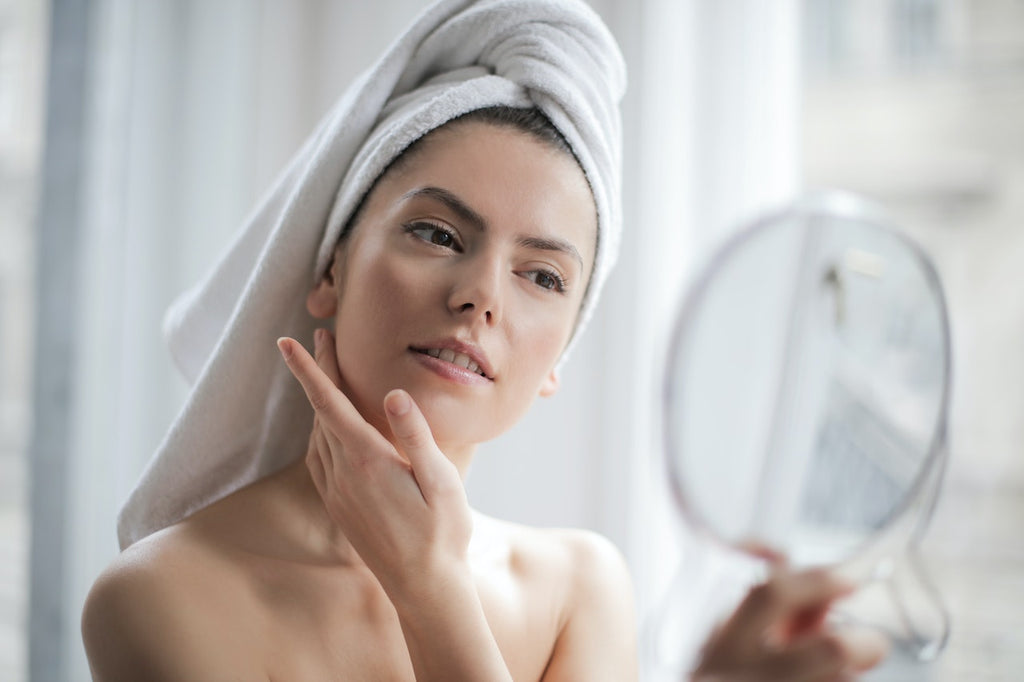
How to reap the benefits of honey for your skin
Welcome to the wonderful world of honey!
Honey has been used for millennia to soothe, cure, and protect the skin. Its unique composition makes it a powerful ally in maintaining healthy and youthful skin.
The benefits of honey on the skin include moisturizing, anti-aging, and even anti-bacterial properties. In addition, honey is packed with antioxidants, vitamins, and minerals that help keep skin youthful and glowing.
Whether you’re looking to improve the overall health of your skin or just want to give it a boost, honey can be an effective and natural solution.
Let’s explore the many benefits of honey on skin and how to make the most of this amazing substance.
The many benefits of honey for skin
1. Honey acts as a natural moisturizer for skin
Its natural humectant properties (a substance that can attract and retain moisture) allow it to draw in moisture and keep it locked in, helping to keep your skin hydrated and looking its best.
In addition, honey is packed with vitamins and minerals that can help nourish skin and keep it healthy.
2. Honey provides anti-bacterial properties for skin
Honey has amazing moisturizing and anti-aging properties, and its antibacterial properties make it a great choice for healing and protecting skin.
Its natural enzymes and acids can help to fight off bacteria, reduce inflammation, and even help to prevent acne.
3. Honey contains antioxidants for a radiant complexion
Honey is an amazing source of antioxidants! These potent ingredients have natural anti-aging qualities that help to keep skin looking youthful and radiant while protecting it from free radical damage.
Free radical damage is caused by unstable environmental molecules, like pollution and UV rays. These molecules can attack healthy cells and cause oxidative stress, leading to premature aging, wrinkles, and other skin damage. Antioxidants can also help to protect the skin from free radical damage by neutralizing the unstable molecules before they can cause harm.
4. Honey provides nourishing properties for your skin and face
Honey is packed with vitamins, minerals, and amino acids that help nourish skin and keep it healthy. Its natural humectant properties can also help to lock in moisture, keeping skin hydrated and looking its best.
5. Honey can heal acne and wounds
Honey is a great ally in treating acne and healing wounds. Honey aids your body's healing process, which may help erase acne scars. Honey can be used as a spot therapy for scars, using it as a paste at the location of scarring everyday or every other day. You may also experience improvements if you use honey face masks in your cosmetic routine.
6. Honey can help you achieve a natural glow
Honey’s natural moisturizing and antioxidant properties help to keep skin hydrated and protected. Honey's natural humectant qualities make it a great moisturizer.
Honey's enzyme activity allows it to penetrate deep into the skin and hydrate the underlying layers. This results in plumper, softer skin with a natural radiant shine.
7. Honey provides gentle exfoliation
Honey’s natural enzymes can help to remove dead skin cells and unclog pores, leaving skin looking soft and smooth.
8. Honey soothes sunburn
Its natural anti-inflammatory, and antioxidant properties can help to reduce redness and inflammation while keeping skin hydrated and protected.
9. Honey provides many hydrating benefits for your skin
Its natural humectant properties allow it to draw in moisture and keep it locked in, helping to keep your skin hydrated and looking its best. In addition, honey is packed with vitamins and minerals that can help nourish the skin and keep it healthy.
10. Honey increases collagen production
Honey can also help to increase collagen production, a key factor in skin elasticity and firmness. Honey has the ability to inhibit the inflammatory cascade that damages skin and prevent cathepsin enzymes from degrading collagen.
A final benefit of honey for skin
Honey doesn’t discriminate; it works equally well on all skin types, regardless of your needs.
So, remember that with regular use, honey can help keep skin looking soft, smooth, healthy, and glowing.
Raw honey in Canada – where can I get it?
At this point, you definitely want to get your hands on this miracle elixir.
Oneroot is the perfect choice for anyone looking to reap the amazing benefits of honey on skin.
Lab-tested and antibiotic-free, Oneroot honey is never mixed or blended.
Best of all, our honey is sustainable, organic, and sourced from a healthy bee population producing the highest quality honey.
Be sure to check out Oneroot Honey for premium Canadian raw honey.

8 Amazing Benefits of Raw Honey For Skin & Face: What You Need To Know
We all know that honey is a sweet treat, but have you ever considered using it on your skin and face?
Honey has been used for centuries as a natural remedy for various ailments. Raw honey, in particular, is rich in nutrients and enzymes that can benefit the skin.
In this blog post, we'll cover the many amazing benefits of honey on the skin and face and what you can use it for.
Find out if this natural ingredient could be the key to your perfect complexion!

8 Benefits of Honey for Skin and Face
You can use raw honey as a face mask or mix it with other natural ingredients to form a customized treatment.
Let's look at some of the natural benefits of honey for the skin:
- Raw honey is a natural antibacterial and anti-inflammatory agent. This makes honey an effective treatment for acne, eczema, and other skin conditions.
- As a natural humectant, you can use honey as a moisturizer for the skin to keep it hydrated and feeling soft.
- Raw honey contains powerful antioxidants that can help protect your skin from damage caused by free radicals.
- It has been found to help reduce inflammation and redness, balance skin tone, hydrate dry skin, and improve acne breakouts.
- Honey is a natural way to feed your skin. Honey has vitamins, minerals, and enzymes that benefit your skin.
- Using honey on the skin regularly can lead to a brighter, more radiant complexion.
- Honey has also been used for centuries to treat burns and cuts, and you can soothe sunburn with honey.
- You can use honey as a gentle exfoliant to reveal smoother, more glowing skin.
Since it is gentle enough for all skin types, it makes a great skincare ingredient.
DIY Recipes with Raw Honey for Skin and Face Care
You can use this amazing natural ingredient in many different ways to make your skin and face look and feel better.
Here are some DIY recipes using honey for a glowing complexion:
- Honey & Lemon Face Mask: Mix equal parts raw honey and fresh lemon juice, then apply to your face and let sit for 15-20 minutes. Rinse with warm water and enjoy the brightening effects!
- Honey & Milk Cleanser: Combine 1 part raw honey, with 2 parts milk, then use it as a gentle cleanser for your face. This combination is great for sensitive skin types.
- Honey & Avocado Face Mask: Mix 1/4 ripe avocado with 2 tablespoons of raw honey for a hydrating and nourishing face mask. Apply to your face and leave on for 20 minutes, then rinse off with warm water.
Say Goodbye To Tired-Looking Skin With OneRoot
OneRoot Nourishing Hydration Face Mask will leave your skin feeling soft, healthy, and refreshed.
A luxurious and effective face mask is made with nature's best ingredients, such as Oneroot buckwheat honey, Oneroot hemp oil, shea butter, and grapefruit peel.
While grapefruit peel provides essential oils and phytochemicals to protect your skin from the elements, shea butter contains vitamins A, E, K, F, and Allantoin.
With our face mask, you don't have to worry about harmful ingredients like parabens, sulphates, phthalates, and artificial colours.
Your Guide To Liquefying Honey
Your Guide To Liquefying Honey
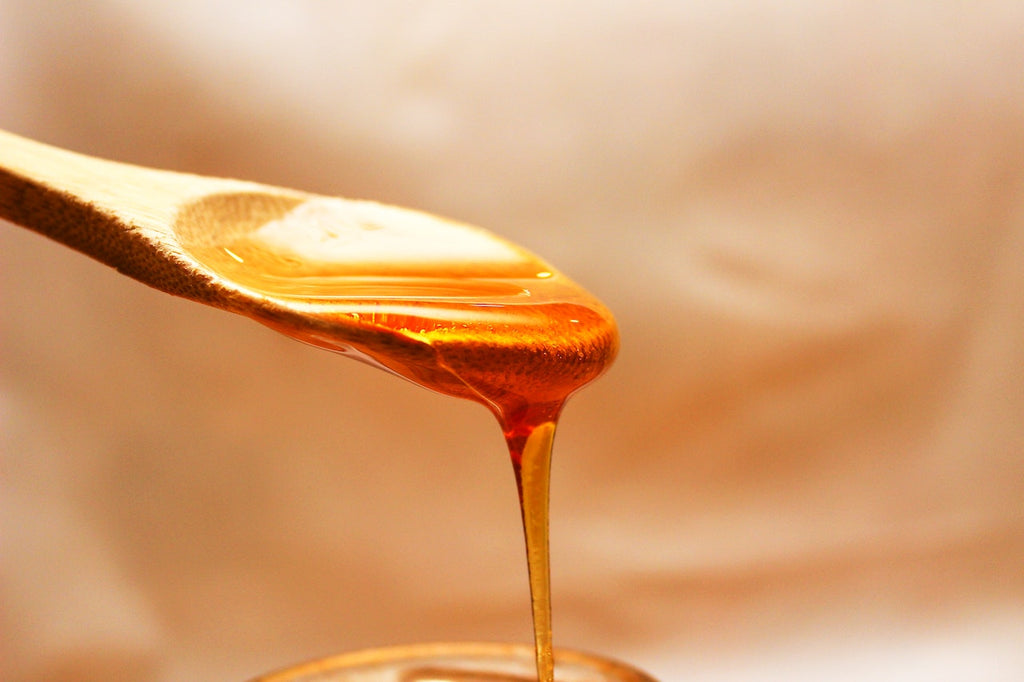
Don't freak out if you see crystals in your honey. It's a naturally occurring process that’s totally normal. Honey in its crystalline form is still perfectly edible and tastes great, but if you prefer honey in its liquid form, liquefying honey is as easy as warming it.
When honey crystals form, you may melt them by warming the honey. Yet, take caution. Raw honey loses its flavor and many of its health advantages if it is heated too much during the decrystallization process.
Melting the raw honey in a glass jar over low, indirect heat at a steady temperature will maintain the honey's natural flavor and nutritional value.
Why Does Honey Crystallize
Pure, raw honey crystallizes naturally over time as the sugar “precipitates out” of the solution into crystal form. Honey is made up of glucose and fructose. Different honey varieties have different ratios of these sugars, which means different kinds of honey crystallize at different rates.
How To Liquefy Honey
Here’s how to liquefy honey.
The first thing you need to do is put your honey in a ceramic or glass container. It’s preferable to use glass or ceramic, but it’s okay to use a HDPE plastic container too if you’re using low heat.
The next thing you should do is bring some water to a temperature of 35 to 40 degrees Celsius (95 to 104 Fahrenheit). You can also use a sous vide cooker, an instant pot, or a kettle to make a warm water bath. Toss the honey jar and bowl into the hot water bath. The water line should be higher than the honey, but lower than the top of the jar. A honey jar or container should not be placed in a sink or other location where water might get inside.
In order to reliquify the honey, you need to leave the jar in the water and stir it regularly. A thermometer should be used to check the water's temperature, and hot or cold water should be added as needed to maintain a consistent 40 degrees Celsius or less.
How To Store Honey
Honey doesn't have a lot of water, so germs don't develop in it easiy, but if you don't store it correctly, moisture may get in. It is best to store honey in its original container, and to replace the lid securely after each use to prevent spoilage from air and moisture. Honey may also be stored in glass jars with lids, provided the lids are airtight while the jars are not being used. Because of the risk of oxidation, honey should not be stored in non-food plastic containers or metal containers.
If you’re looking for high-quality raw honey, look no further than Oneroot. Explore our products today!

Uses and benefits of buckwheat honey
Uses and benefits of buckwheat honey
We all know that honey has several health advantages, but you may be surprised to learn that various varieties of honey offer varied benefits. Buckwheat honey, for example, is an amazing superfood that everyone needs to discuss, and we’re about to tell you why.
What is buckwheat honey?
Buckwheat honey is made by bees that collect nectar from buckwheat flowers. The flowers that buckwheat produces are tiny, which means the bees that make buckwheat honey have to work extra hard to collect enough nectar.
Buckwheat honey isn’t as sweet as the traditional honey you may know and use. However, the health benefits outweigh those of traditional honey. It is rich in polyphenol antioxidants and has potent antibacterial properties.
The colour of Buckwheat honey is also different from traditional honey, and can range in colour from dark red to black. Generally, Buckwheat honey has a reddish tint.
How to use buckwheat honey
There are several uses for Buckwheat honey, including:
- A healing balm for wounds - you can apply the raw honey directly to a wound before covering it with a clean bandage.
- As a general health supplement - Add the raw honey to your favourite beverage, or you can consume it as is by the tablespoon.
- A natural sweetener - Skip the sugar and use honey to sweeten your drinks, food, or baked products.
- For sore throats and colds - Honey is excellent for relieving and helping you recover from colds. Add honey to some warm herbal tea or on its own.
Benefits of buckwheat honey
As you can probably tell from its many uses, Buckwheat honey has many benefits.
- Bursting with antioxidants - Research found that mixing buckwheat honey with black tea significantly increased the level of antioxidants in the body. Antioxidants help the body to fight free radicals, which are harmful to the body and can cause sicknesses.
- Skincare - If you love the look of healthy, glowing skin, then you’ll love this honey benefit. Honey helps to smooth and moisturize the skin, leaving it feeling hydrated and supple.
- Prevent DNA Mutations - Honey has been found to help reverse and prevent some DNA mutations that can cause sickness and cancer.
- Treat cuts and wounds - Honey pulls the moisture out of the wounds to help eliminate bacteria.
- Reduce cholesterol - Studies have shown that buckwheat helps to reduce cholesterol levels in the blood, which can help to lower blood pressure and improve heart health.
- Treat coughs and colds - Research has found that Buckwheat honey is more effective at treating nighttime coughs in children due to respiratory infections than over-the-counter cough medicine.
How to find local buckwheat Honey
If you don’t have Buckwheat honey in your cupboard at home, it is time to stock up on some and enjoy all the great benefits it offers. Oneroot has pure, raw Buckwheat honey from certified fields in Northern Ontario, Canada. Ready to purchase? Click here!
Should I Get Pasteurized Honey vs Unpasteurized?
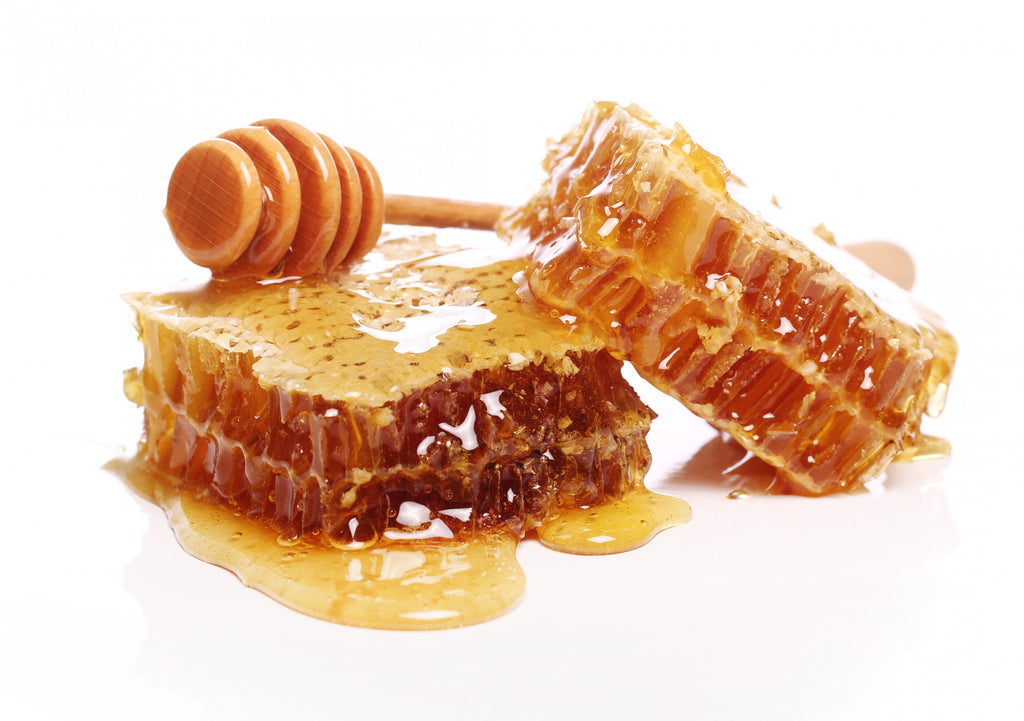
If you’ve ever shopped for honey, you’d notice that some bottles are labeled pasteurized, and others are labeled unpasteurized. You may assume that this is connected to making the honey safe for eating, as in the case of milk, but that is not the case. Honey isn’t pasteurized to make it safer for human consumption.
Pasteurizing honey involves heating it to above 70 degrees Celsius. This causes some of its nutrients to be destroyed and irreversibly alters its molecular structure. The honey will clear up and stay liquid for a considerably longer time.
In order to make commercial honey clearer and smoother, some commercial honey undergoes ultrafiltration in addition to pasteurization.
Why pasteurize honey?
The primary purpose of pasteurization is to slow the natural crystallization process, which occurs when liquid honey gradually becomes hard and coarse.
However, crystallization happens naturally. Therefore, even if the process takes longer with pasteurized honey, it will ultimately take place.
If you want to reverse the crystallization process, place the jar of honey, whether pasteurized or not, in a hot water bath at around 50°C while stirring. The honey should melt evenly and will return to its liquid state. Another trick is to place the jar of honey for several hours in an oven with only the light bulb on. The internal temperature of the oven will reach about 35-40°C. This will not melt honey into liquid, but it will soften up the honey.
You shouldn’t repeat this process too often because it reduces flavour and nutritional content.
Pasteurized Honey vs Unpasteurized Honey Vs Raw: Which Should You Get?
It all boils down to personal preference. If the consistency of your honey is most important to you, and you want it to stay liquid for as long as possible, keeping it pasteurized is fine.
The processing of pasteurized honey involves exposure to a high level of heat. The heat gives the honey a smoother texture, but unfortunately, the intense heat also largely eliminates the nutritious value of honey.
As a result, pasteurized honey will be deficient in antioxidants, amino acids, vitamins, minerals, and beneficial enzymes.
If you’re more interested in getting all the health benefits, then avoiding processed food is the best way to go, and you should opt for unpasteurized honey or raw honey.
Raw honey is the healthiest option. However, because unpasteurized honey is heated slightly, it still loses some benefits. Raw honey is honey in its purest form, so it gives you all its nutritional benefits.
OneRoot is your go-to for raw, ethically made honey and honey-based products. Our honey is the closest thing to obtaining it directly from the bee. Get yours today!

Here’s What To Do When Your Honey Crystallizes
Many honey lovers often find themselves perplexed when their once smooth and liquid honey transforms into a granulated or crystallized texture. But did you know that crystallization is a natural process, especially in raw, unprocessed honey? Let's dive deep into understanding why honey crystallizes, how to revert it, and ways to prevent it.
What Leads to Honey Crystallization?
The tendency of honey to crystallize largely stems from its composition. Honey comprises primarily of glucose and fructose. These are natural sugars, and honey is, in essence, a supersaturated solution of these sugars. This means there's a tremendous amount of sugar in a very little amount of water, making honey inherently stable.
Another factor playing a pivotal role is the presence of pollen and wax, especially in raw honey. These tiny particles act as nucleation sites or starting points for the crystallization process. Essentially, they provide the platform for sugar molecules to settle down and form crystals, hastening the crystallization process.
Does All Honey Crystallize?
Well, not all types of honey crystallize at the same rate. Factors like the floral source and processing methods influence the crystallization speed. For instance, the presence of certain types of pollen can cause some honey varieties to crystallize faster than others.
Dealing with Crystallized Honey
Many wonder, "How do I stop my honey from crystallizing?" or "What to do when honey crystallizes?" The good news is, decrystallizing honey is a straightforward process. Avoid boiling it, as excessive heat can degrade the beneficial properties of raw honey and alter its unique flavour. Instead, gently warm the honey by placing its jar in warm water, stirring occasionally. This gentle heating helps dissolve the sugar crystals and returns honey to its liquid state. However, it's essential to note that repeatedly liquefying honey can alter its taste and texture, so it's best to only decrystallize the amount you need.
Safety and Preference: Crystallized vs. Liquid Honey
If you've found yourself pondering, "Is crystallized honey safe to eat?", rest assured that it is. In fact, many enthusiasts prefer their honey in this granulated form. The textured consistency makes it ideal for spreading on toast or mixing in oatmeal.
Preventing Honey Crystallization
If you're someone who prefers liquid honey, you might want to know how to keep raw honey from crystallizing. Storing honey at room temperature usually leads to normal crystallization. To delay this process, consider refrigerating or even freezing your honey. While this makes honey's texture harder, it also makes crystallization more challenging. Another method involves keeping honey in a very warm place, but this might compromise its flavour and quality. The key takeaway? All honey, regardless of the preservation method, will eventually crystallize. The best way to enjoy it in its liquid form is to use it relatively soon after purchase.
OneRoot: Your Go-To for Premium Honey
When it comes to quality honey, OneRoot stands unparalleled. We specialize in premium, raw, organic honey, untouched by antibiotics or additives. Whether you have a penchant for classic honey or are adventurous enough to try our flavoured varieties, our collection promises purity and unparalleled taste.
Dive into the sweet world of OneRoot today and experience the richness of nature in every spoonful!